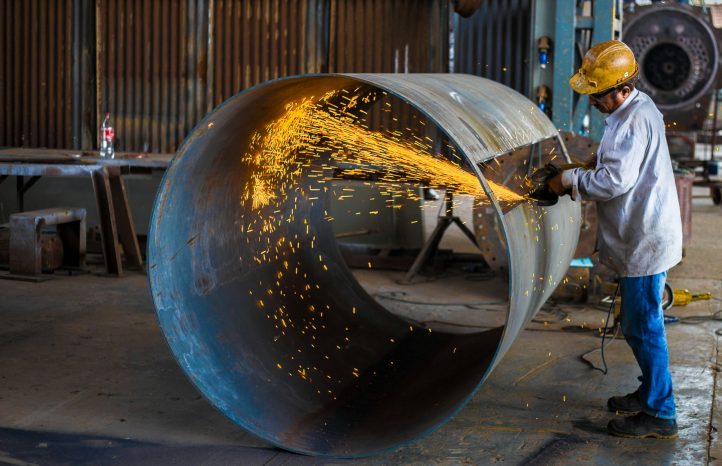
In the ever-evolving world of steel fabrication Coffs Harbour, choosing the right cutting method is crucial for achieving precision, efficiency, and cost-effectiveness. Among the most popular techniques in the industry today are laser, plasma, and waterjet cutting. Each method brings unique advantages and limitations depending on the project’s material type, thickness, and desired finish. Understanding the differences between these three processes is key to selecting the most suitable approach for any fabrication requirement.
1. The Role of Cutting in Steel Fabrication
Cutting is one of the earliest and most critical stages in steel fabrication. It shapes the raw steel into specific forms that can later be bent, welded, and assembled into finished structures or components. The choice of cutting process impacts not only accuracy but also speed, cost, and surface finish. While traditional mechanical cutting methods like sawing or shearing are still used for simple jobs, modern technologies such as lasers, plasmas, and waterjets have transformed the precision and versatility of steel fabrication.
2. Laser Cutting: Precision and Efficiency
Laser cutting utilizes a highly focused beam of light to melt or vaporize metal along a designated path. The laser is typically controlled by CNC (Computer Numerical Control) systems, ensuring exceptional precision.
Advantages:
- High precision and clean edges: Laser cutting produces minimal kerf width and a smooth surface finish, reducing or even eliminating post-processing.
- Speed and repeatability: It’s ideal for high-volume production runs requiring consistent quality.
- Suitable for thin to medium-thickness steel: Especially effective for materials up to around 20mm thick.
Limitations:
- Heat-affected zones (HAZ): The process generates significant heat, which can alter the steel’s properties near the cut edge.
- Material and reflectivity sensitivity: Highly reflective materials, like aluminum or copper, can be difficult to cut without specialized equipment.
- Higher equipment costs: Laser systems are generally more expensive to purchase and maintain.
Laser cutting is best suited for intricate, high-precision parts where tolerance and finish quality are critical—such as architectural panels, automotive parts, or decorative steel elements.
3. Plasma Cutting: Speed and Power for Thick Materials
Plasma cutting uses an electrically conductive gas, such as oxygen, nitrogen, or argon, to create a plasma arc that melts and blows away metal at the cut line. It’s known for its power and versatility, particularly in cutting thicker materials.
Advantages:
- Effective for thick steel: Plasma cutting easily handles materials up to 50mm or more, making it ideal for structural and industrial fabrication.
- Fast cutting speeds: Especially efficient for large-scale or repetitive cutting tasks.
- Cost-effective: Equipment and operating costs are generally lower than those of laser systems.
Limitations:
- Moderate precision: The cut edge can be rougher and may require grinding or finishing.
- Heat distortion: The high temperatures can cause warping in thinner sheets.
- Limited detail: Plasma cutting isn’t suited for delicate or highly intricate shapes.
Plasma cutting is commonly used in heavy-duty applications like shipbuilding, structural beams, and industrial machinery components, where durability and productivity are more important than ultra-fine detail.
4. Waterjet Cutting: Cold Precision Without Heat
Waterjet cutting uses a high-pressure stream of water, often mixed with abrasive materials like garnet, to erode and cut steel. Unlike laser or plasma methods, it doesn’t generate heat, which makes it ideal for temperature-sensitive materials.
Advantages:
- No heat-affected zones: The absence of heat ensures the material’s properties remain unchanged.
- Exceptional accuracy: Waterjet systems can cut intricate shapes and tight tolerances.
- Versatility: Can cut virtually any material, including metals, stone, glass, and composites.
Limitations:
- Slower process: Compared to laser and plasma, waterjet cutting is typically slower.
- Higher operating costs: Consumables like abrasives and water treatment systems add ongoing expenses.
- Maintenance: Equipment requires more frequent servicing due to high wear from pressure and abrasives.
This method excels in precision applications such as aerospace parts, artistic metalwork, and custom fabrication, where edge quality and material integrity are paramount.
5. Comparing the Three Cutting Methods
| Feature | Laser Cutting | Plasma Cutting | Waterjet Cutting |
| Material Thickness | Best for thin to medium | Best for thick | Any thickness |
| Precision | Very high | Moderate | Very high |
| Heat Effect | Yes | Yes | None |
| Speed | Fast | Very fast | Slower |
| Cost | High setup, moderate operation | Moderate | High |
| Applications | Fine detail, sheet metal | Heavy steel, structures | Mixed materials, high detail |
6. Choosing the Right Method
Selecting the appropriate cutting process depends on the project’s design, material type, and production goals.
- For precision and speed on thin metals: Laser cutting is ideal.
- For thick, structural components: Plasma cutting delivers the best efficiency and value.
- For materials sensitive to heat or requiring perfect edges: Waterjet cutting stands unmatched.
Each method complements the other in modern fabrication workshops, allowing manufacturers to balance quality, speed, and cost across diverse projects.
Conclusion
In modern steel fabrication Coffs Harbour, the choice between laser, plasma, and waterjet cutting determines not just the appearance but also the performance and longevity of fabricated steel components. Understanding the strengths and trade-offs of each method ensures projects are executed with precision, durability, and efficiency. Whether producing architectural panels, industrial equipment, or custom components, choosing the right cutting technique is a vital step toward high-quality, long-lasting fabrication.
 CashBloom – Smarter Money Starts Here